

The Geography of Liquid Gold
Scotland’s whisky regions are more than mere geographical boundaries – they represent distinct flavor profiles, production traditions, and investment opportunities. Understanding these regional characteristics is fundamental to making informed investment decisions in the whisky market.
Speyside: The Golden Triangle
Home to over half of Scotland’s distilleries, Speyside represents the epicenter of whisky production and often the safest investment bet.
Regional Characteristics
- Flavor Profile: Elegant, complex, often fruity and floral
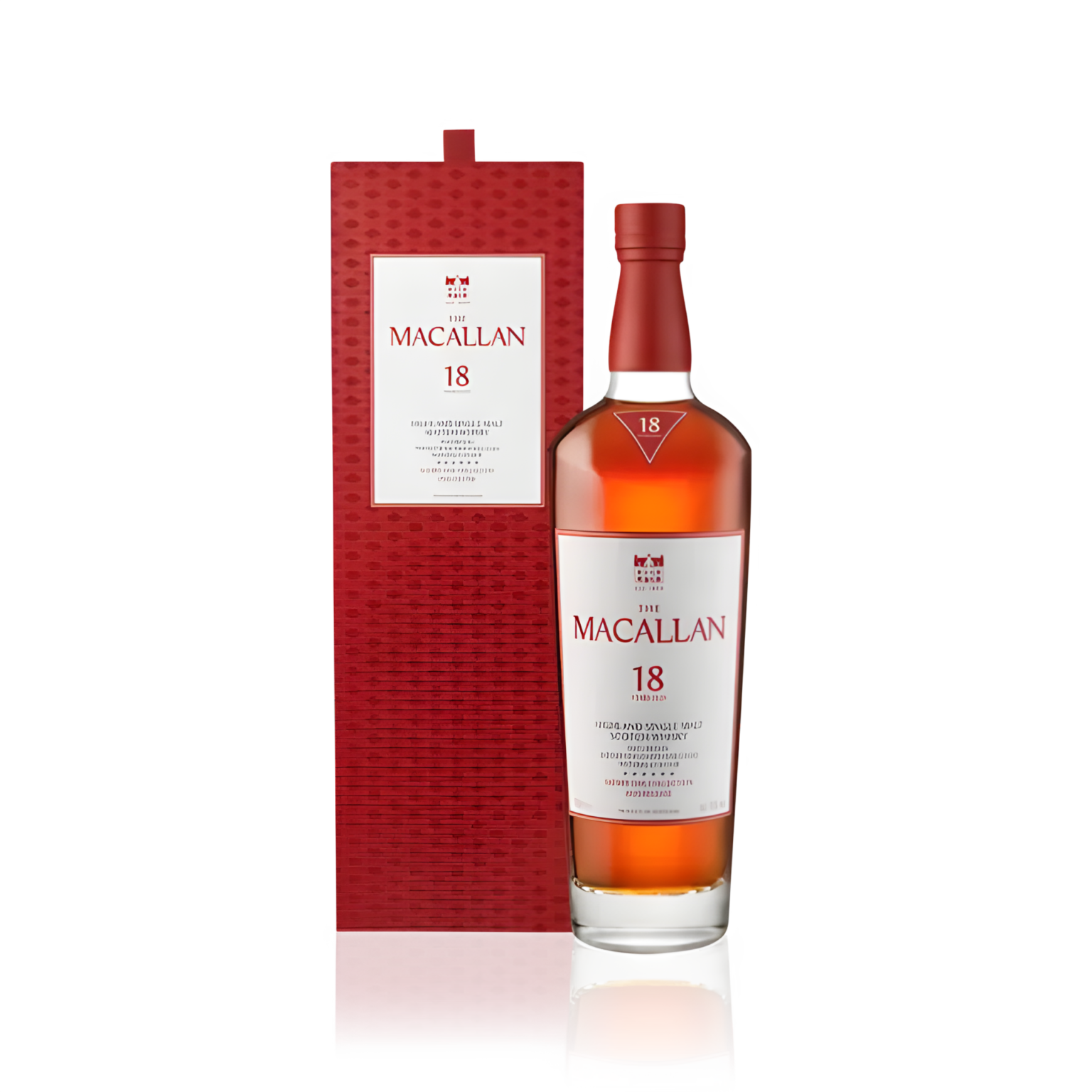
- Notable Distilleries: Macallan, Glenfiddich, Glenlivet, Balvenie
- Production Style: Often sherry cask matured, creating rich, sweet whiskies
Investment Potential
Speyside whiskies dominate the luxury market:
- Macallan consistently breaks auction records
- Limited releases appreciate 15-25% annually
- Strong Asian market demand, particularly for sherry-cask expressions
- Established collector base ensures liquidity
Investment Recommendations
- Blue Chip: Macallan 18+, Glenfarclas Family Casks
- Emerging: GlenAllachie single casks, Mortlach special releases
- Cask Investment: Focus on sherry cask maturation from premium distilleries
Islay: The Peat Paradise
This small island produces some of the world’s most distinctive and sought-after whiskies, characterized by intense peat smoke and maritime influence.
Regional Characteristics
- Flavor Profile: Peated, smoky, medicinal, maritime
- Notable Distilleries: Ardbeg, Lagavulin, Laphroaig, Bowmore, Bruichladdich
- Production Style: Heavy peat use, coastal maturation
Investment Potential
Islay whiskies command cult followings:
- Limited production creates natural scarcity
- Ardbeg and Bruichladdich limited editions see 20-40% annual appreciation
- Growing global appreciation for peated whiskies
- Festival exclusives and committee releases highly sought after
Investment Recommendations
- Blue Chip: Ardbeg Committee Releases, Lagavulin Distillers Editions
- High Growth: Bruichladdich Black Art series, Port Ellen (closed distillery)
- Cask Investment: Young Islay casks with 10+ year maturation potential
Highland: The Diverse Giant
The largest region offers incredible diversity, from light coastal whiskies to rich, sherried expressions.
Sub-Regional Variations
- Northern Highland: Full-bodied, spicy (Glenmorangie, Dalmore)
- Southern Highland: Lighter, fruity (Aberfeldy, Deanston)
- Eastern Highland: Dry, fruity (Royal Lochnagar, Fettercairn)
- Western Highland: Maritime influence (Oban, Ben Nevis)
Investment Potential
Highland diversity offers multiple investment strategies:
- Dalmore constellation series showing 25-35% annual returns
- Glenmorangie private editions gaining collector interest
- Closed distilleries (Brora, Glenlochy) commanding premium prices
Investment Recommendations
- Luxury Tier: Dalmore Constellation Collection, Highland Park Viking Legend series
- Value Play: GlenDronach single casks, Balblair vintage releases
- Long-term Hold: Closed distillery bottles, pre-1990 expressions
Campbeltown: The Whisky Capital Reborn
Once home to 30+ distilleries, now just three remain, making Campbeltown whiskies increasingly rare and valuable.
Regional Characteristics
- Flavor Profile: Maritime, slightly peated, complex, oily
- Active Distilleries: Springbank, Glen Scotia, Glengyle
- Production Style: Traditional methods, limited automation
Investment Potential
Scarcity drives exceptional returns:
- Springbank limited releases see 30-50% immediate appreciation
- Local Barley series particularly sought after
- Production constraints ensure continued scarcity
- Loyal collector base creates strong secondary market
Investment Recommendations
- Core Holdings: Springbank 15+, Longrow Red series
- Special Releases: Springbank Local Barley, Kilkerran Works in Progress
- Cask Investment: Extremely limited availability, premium pricing
Lowland: The Gentle Giant
Known for lighter, more delicate whiskies, the Lowland region is experiencing a renaissance with new distilleries and renewed interest.
Regional Characteristics
- Flavor Profile: Light, grassy, citrus, gentle
- Notable Distilleries: Auchentoshan, Glenkinchie, Ailsa Bay
- Production Style: Triple distillation common, creating smoother spirits
Investment Potential
Emerging opportunities in an overlooked region:
- Limited production creates scarcity value
- New distilleries (Clydeside, Lindores) attracting investor interest
- Closed distilleries (Rosebank, Littlemill) showing strong appreciation
Investment Recommendations
- Established: Auchentoshan vintage releases, Bladnoch limited editions
- Speculation: New distillery first releases, revival projects
- Rare Finds: Pre-closure Rosebank, St. Magdalene bottles
Regional Investment Strategies
Diversification Approach
A balanced whisky portfolio should include:
- 40% Speyside: Stability and proven appreciation
- 25% Islay: High growth potential, strong demand
- 20% Highland: Diversity and luxury brands
- 10% Campbeltown: Scarcity value
- 5% Lowland: Emerging opportunities
Regional Market Dynamics
| Region | Annual Return | Risk Level | Liquidity | Entry Cost |
|---|---|---|---|---|
| Speyside | 12-18% | Low-Medium | High | £££-££££ |
| Islay | 15-25% | Medium | High | ££-£££ |
| Highland | 10-20% | Low-Medium | Medium-High | ££-££££ |
| Campbeltown | 20-35% | Medium-High | Medium | £££-££££ |
| Lowland | 8-15% | Medium | Low-Medium | ££-£££ |
Future Regional Trends
Looking ahead to 2024-2030:
- Speyside: Continued dominance in luxury segment, focus on aged expressions
- Islay: Capacity constraints driving prices higher, new distillery impact
- Highland: Premiumization of established brands, revival of closed distilleries
- Campbeltown: Extreme scarcity creating auction records
- Lowland: Renaissance period with new distilleries maturing
Conclusion
Understanding Scotland’s whisky regions is fundamental to successful whisky investment. Each region offers unique opportunities and challenges, from Speyside’s blue-chip stability to Campbeltown’s scarcity premiums. The key is matching regional characteristics with your investment goals, risk tolerance, and time horizon.
As global demand continues to outpace supply, particularly for aged expressions from renowned regions, the geographical origin of whisky will become increasingly important in determining investment value. Whether you’re drawn to Islay’s bold flavors or Speyside’s refined elegance, regional diversity ensures opportunities for every investment strategy.