


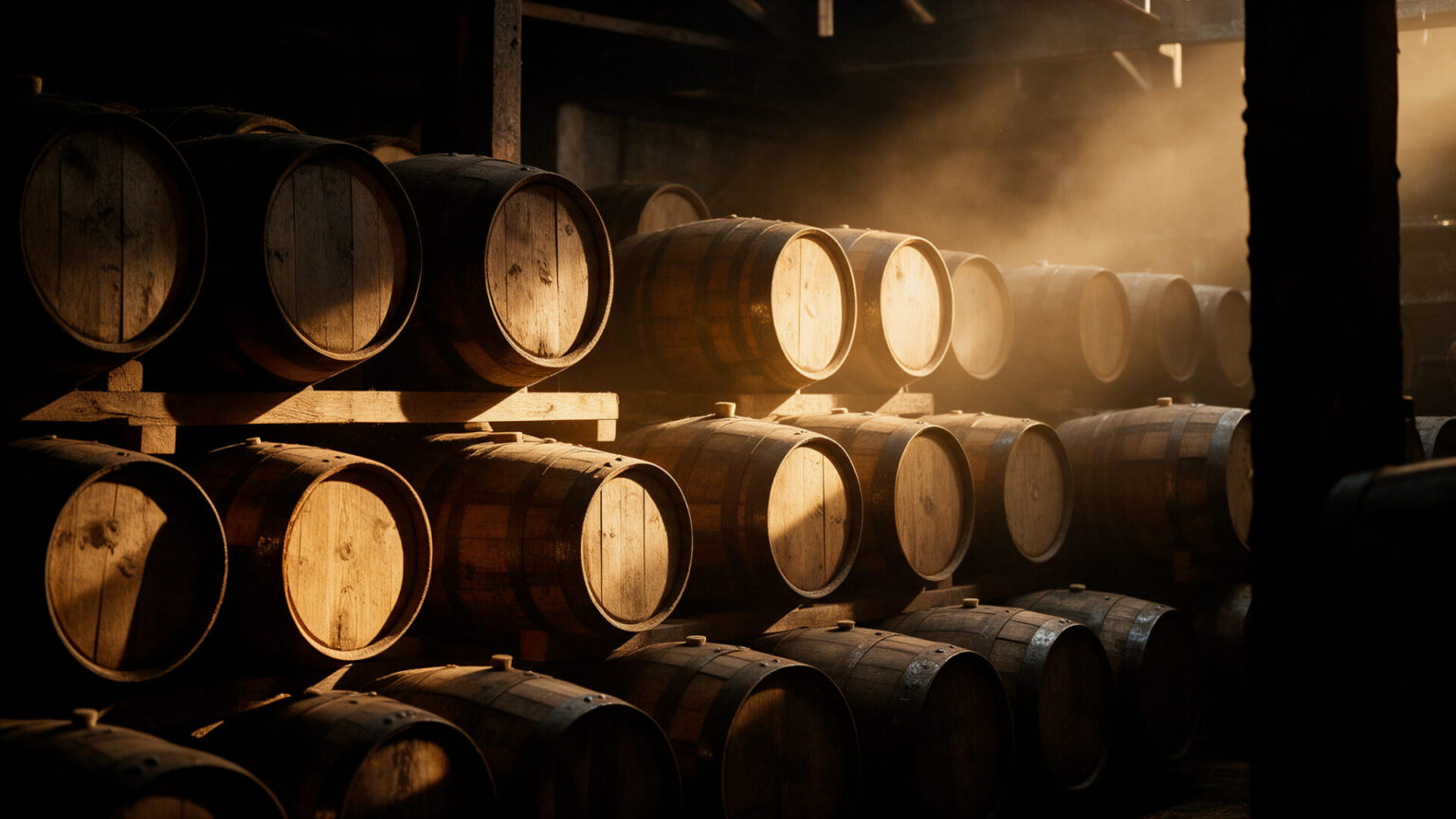


Across the country’s distilling regions, casks spend the colder months inside warehouses while the spirit continues the slow process of maturation that will eventually determine much of its character.
Maturation is sometimes described simply as ageing, but that understates what is taking place. A cask is not merely a container in which spirit waits until sufficient time has passed. The relationship between spirit, oak, air and warehouse environment continues throughout its life, gradually changing what is inside.
For a cask investor, understanding whisky maturation is useful for another reason. It explains why the underlying asset itself is changing during the holding period.
When Does Spirit Legally Become Scotch Whisky?
Spirit does not become Scotch Whisky the moment it leaves the still. Under the Scotch Whisky Regulations, it must mature in Scotland in oak casks for at least three years before it can legally carry the name. The regulations also specify requirements around production, maturation and bottling.
Three years is only the legal minimum. Many premium expressions mature for considerably longer, experiencing repeated seasonal changes before eventually leaving the cask.
What Actually Happens During Whisky Cask Maturation?
Oak is fundamental to the development of whisky. As the spirit rests inside the cask, compounds from the wood contribute to colour, aroma and flavour while other reactions gradually alter the original character of the new make spirit.
The previous use of the cask matters too. Ex bourbon barrels, sherry seasoned casks and other permitted cask types can contribute different characteristics. Cask size, condition and previous fills can also influence the rate and nature of maturation.
This is why two casks containing spirit from the same distillery and filled at a similar time can eventually develop differently. Distillery provenance matters, but it is only one component of the finished whisky.
How Does Temperature Affect Whisky Maturation?
Temperature and humidity influence the relationship between spirit, oak and the surrounding environment. As seasonal conditions change, the interaction between the liquid and the wood changes with them. Scotland’s relatively cool climate contributes to a slower maturation environment than is found in hotter whisky producing regions.
The location of maturation also matters. Viticult’s guide to Scotch whisky regions explores the principal whisky producing areas and some of the characteristics associated with them.
What Is the Angel’s Share?
Whisky maturation involves loss as well as development. A proportion of the liquid naturally evaporates through the oak during maturation. This is known as the angel’s share, and over a long holding period it can materially reduce the amount of spirit remaining inside a cask.
Viticult’s dedicated angel’s share guide explains the process in greater detail, including what evaporation means for investors and why regauging information can become important when assessing an older cask.
The key investment point is straightforward: an older cask does not simply contain the same quantity of whisky at a greater age. The contents themselves have changed.
Does Older Whisky Automatically Mean Better Whisky?
No, and this is an important distinction. Age can contribute to scarcity and desirability, but more time in oak is not automatically better. The quality and character of the original spirit, cask type, previous use of the cask and maturation conditions all influence the outcome.
The same applies to value. A cask does not automatically become a good investment simply because another year has passed. Viticult’s Complete Guide to Whisky Cask Investment looks at maturation alongside the other factors that influence cask ownership and potential value.
Why Maturation Matters to an Investor
Many assets are essentially static while they are held. A bar of gold remains a bar of gold. A whisky cask is different because the underlying product continues undergoing a physical maturation process.
That does not guarantee appreciation. Market demand can change, purchase price matters and selling a cask is not instantaneous. What it does mean is that the asset held in year ten is physically different from the spirit originally filled into the cask. This distinction is fundamental to understanding why whisky casks are generally approached with a longer investment horizon.
What Should Investors Know About a Cask’s Maturation?
Before purchasing, an investor should understand more than the distillery name. The year of distillation, cask type, warehouse location, current age, available regauge information and documentation all help build a clearer picture of the asset.
Viticult’s guide to buying a whisky cask explains the checks investors should make before purchase, including ownership documentation, warehouse arrangements and cask verification. Understanding the maturation story behind a cask is therefore part of due diligence rather than simply an interesting piece of whisky knowledge.
Frequently Asked Questions
Does whisky stop maturing during certain parts of the year?
No. Maturation continues throughout the year, although seasonal temperature and humidity changes influence the relationship between spirit, oak and the warehouse environment.
How long must Scotch Whisky mature?
Scotch Whisky must mature in Scotland in oak casks for at least three years before it can legally be described as Scotch Whisky.
What is the angel’s share?
The angel’s share is the traditional term for whisky naturally lost through evaporation while it matures in cask.
Does whisky always become more valuable as it matures?
No. Age can influence scarcity and demand, but future value also depends on provenance, quality, cask specification, purchase price and market conditions.
Understand the Whisky Before the Investment
The appeal of whisky cask investment is easier to understand once the maturation process itself is understood. The asset is not simply being stored while an investor waits. The spirit continues developing through its interaction with oak and environment until the day it leaves the cask.
For investors, that makes knowledge of the whisky itself an important part of understanding what they own.
Whisky cask investment is not regulated by the FCA. Values can fall as well as rise and returns are not guaranteed. This article is informational and does not constitute financial or tax advice.
Reference: The Scotch Whisky Regulations 2009 (https://www.legislation.gov.uk/uksi/2009/2890/pdfs/uksi_20092890_en.pdf)
