

There is a natural affinity between whisky and winter. As the evenings draw in and temperatures fall, Scotch becomes more visible across hospitality, retail and gifting, with consumers returning to established favourites while exploring premium bottles, aged expressions and new releases.
For investors, however, the significance of winter extends beyond seasonal consumption. Understanding the whisky investment market requires a broader view of international demand, export performance, cask maturation and the long term characteristics that differentiate whisky from many other tangible assets.
For anyone still getting to grips with the fundamentals of ownership, our Complete Guide to Whisky Cask Investment explains how casks are acquired, stored and matured before eventually reaching an exit.
Why Winter Matters to the Scotch Whisky Market
Winter has traditionally been an important period for the spirits industry. Christmas creates a natural gifting occasion, while colder weather, celebrations and events such as Burns Night bring whisky firmly into the seasonal conversation. Premium bottles and older expressions are particularly well suited to gifting, and increased visibility can encourage existing whisky drinkers to explore distilleries, age statements and expressions beyond their usual purchases.
The scale of the market behind that seasonal activity is considerable. Scotch Whisky exports were worth £5.36 billion in 2025, with more than 1.3 billion 70cl bottles exported to over 160 markets. That is equivalent to approximately 43 bottles leaving Scotland every second.
For an investor, those figures are useful because they demonstrate the international reach of the underlying product. They do not, however, mean that strong Christmas bottle sales automatically increase the value of an individual whisky cask.
Bottled Whisky and Cask Investment Are Not the Same Market
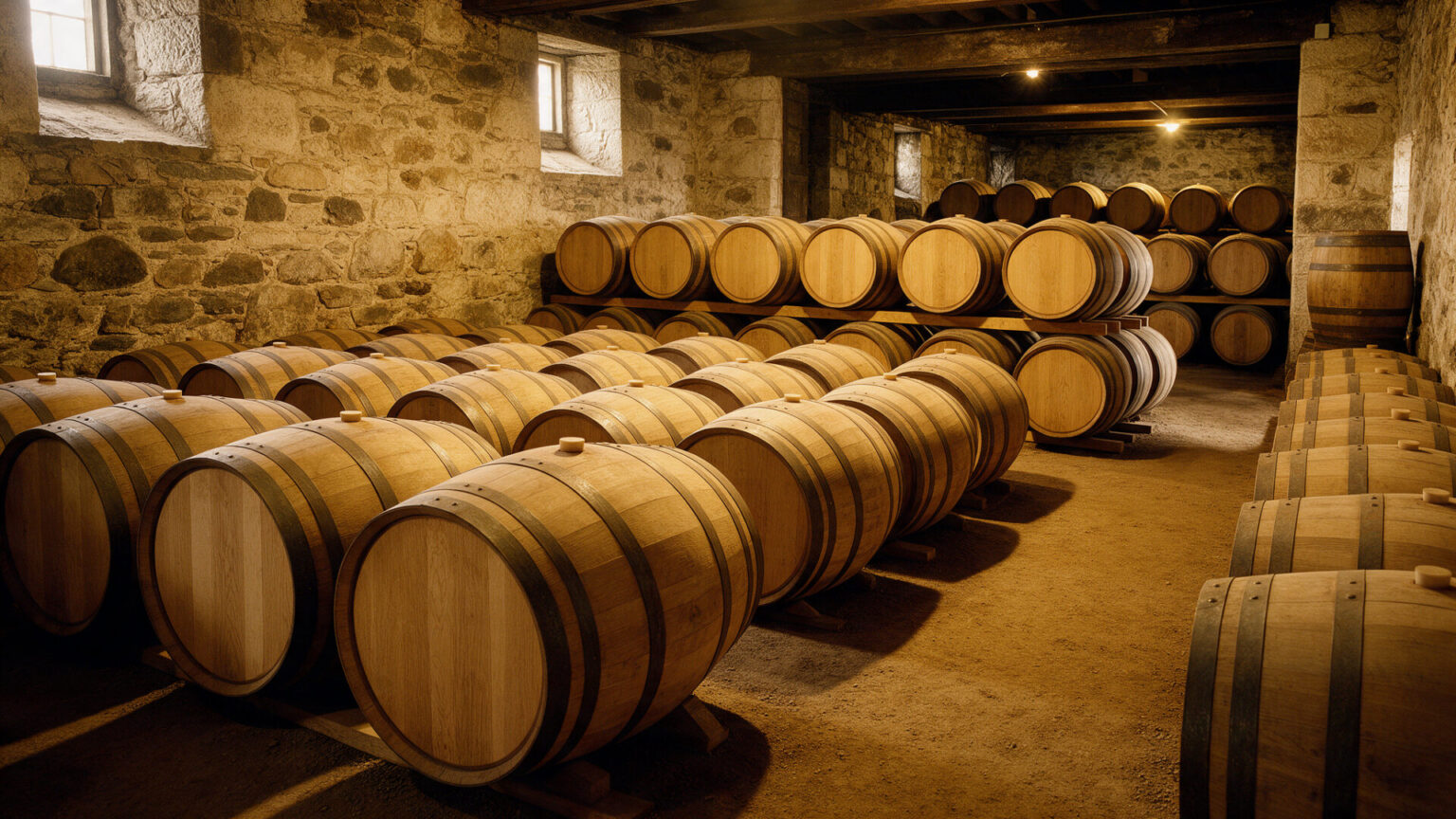
This distinction matters. A bottle purchased as a Christmas gift is a finished consumer product. A cask held inside a warehouse contains spirit that continues to mature and may remain there for years before it is sold or bottled.
The markets are connected by demand for Scotch Whisky, but they should not be treated as interchangeable. Retail trends can tell us something about consumer sentiment towards the category, while the investment case for an individual cask depends on factors including distillery provenance, age, cask type, purchase price, condition and potential future demand.
Viticult explores those fundamentals in greater detail in our guide to how to invest in whisky, including the ownership and verification checks investors should make before committing capital.
What Happens to Whisky During a Scottish Winter?
While consumers are opening bottles over Christmas, casks across Scotland continue their much longer journey.
Whisky maturation is not simply a matter of leaving spirit untouched until a particular birthday. The spirit interacts continuously with the oak and its surrounding environment, with seasonal changes in temperature and humidity forming part of that process.
This interaction contributes to the whisky’s colour, aroma and flavour. It also results in gradual evaporation, known throughout the industry as the angel’s share. Viticult’s guide to the angel’s share looks specifically at how this affects a cask over a longer holding period.
Winter therefore matters as part of the maturation cycle, but it should not be viewed in isolation. A whisky may experience many Scottish winters before it eventually leaves the warehouse.
A Global Market With Very Different Growth Stories
One of the most useful lessons from recent export figures is that there is no single Scotch Whisky market.
In 2025, the United States remained the industry’s largest export market by value at £933 million, despite exports declining by 4 per cent compared with 2024. India, meanwhile, reached £286 million in export value, an increase of 15 per cent, while Turkey rose substantially to £255 million. Taiwan and Singapore moved in the opposite direction.
This variation matters for investors because broad claims that the whisky market is simply growing or falling conceal what is actually happening underneath. Different countries, categories and price points can behave very differently at the same time. The same principle applies to casks, because a strong global category does not mean every cask represents an equally attractive opportunity.
What Does Winter Actually Mean for Whisky Investors?
Seasonality is interesting, but it should not drive a cask purchase. An investor considering an opportunity in December should be asking fundamentally the same questions as an investor considering one in June. Which distillery produced the spirit? How old is it? What type of cask is it maturing in? What documentation supports ownership? Where is it stored? What has been paid for it relative to comparable stock? What are the realistic future exit routes?
These are the factors that turn an interesting whisky into an investment proposition. Viticult’s approach is therefore centred on cask selection and investor strategy rather than seasonal momentum. The wider market provides context, but the characteristics and price of the individual cask remain fundamental.
Why Time Matters More Than the Season
Perhaps the most important feature of whisky from an investment perspective is that time forms part of the product itself. Mature Scotch cannot simply be manufactured immediately when demand increases. Spirit destined to become older whisky years from now must already be sitting in oak today, creating a fundamentally different supply dynamic from products whose production can be rapidly increased.
That does not mean age automatically creates value, nor does it guarantee an investment return. Viticult’s recent analysis of whisky cask investment returns makes that distinction particularly clear: purchase price, holding costs, cask selection and exit all influence the eventual result.
Winter is therefore best understood as one chapter in a much longer story. Consumer attention may rise during the colder months, but the investment case for whisky is built over years rather than seasons.
Frequently Asked Questions
Is winter the best time to invest in whisky?
There is no universal best month in which to purchase a whisky cask. The quality and provenance of the cask, acquisition price, ownership arrangements, market conditions and the investor’s objectives are considerably more important than seasonality.
Does whisky mature during winter?
Yes. Whisky continues to mature throughout the year. Seasonal temperature and humidity changes form part of the interaction between the spirit, oak and warehouse environment.
Does Christmas demand increase whisky cask values?
Not automatically. Strong seasonal bottle sales can provide useful evidence of consumer interest in Scotch Whisky, but retail demand should not be used as a direct proxy for individual cask valuations.
Explore Whisky Cask Investment With Viticult
If you are considering adding whisky to an alternative investment portfolio, explore Viticult’s available whisky cask investment opportunities or speak with our team about the provenance, ownership and investment considerations behind the casks currently available.
Whisky cask investment is not regulated by the FCA. Values can fall as well as rise and past performance is not a guide to future returns. This article is for information only and does not constitute financial or tax advice.
References:
Scotch Whisky Association, Facts & Figures
https://www.scotch-whisky.org.uk/industry-insights/facts-figures/
https://www.scotch-whisky.org.uk/newsroom/2025-export-figures/